
August 2026
A Trip to the Balkans
Bonus Theme
Parodies & Spoofs Rule
Discussion Time
06 Sep 2026 — 20:00 UTC
Details
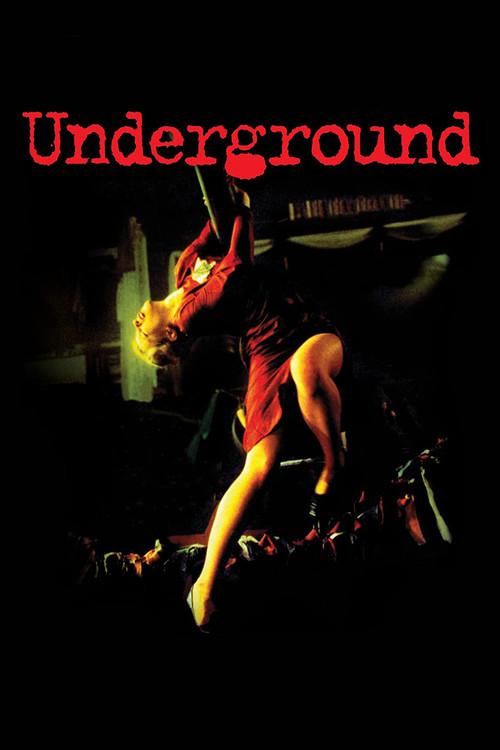
Bila jednom jedna zemlja. Once upon a time...there was a country...
Tagline
ONCE UPON A TIME THERE WAS A COUNTRY
Overview
Black marketeers Marko and Blacky manufacture and sell weapons to the Communist resistance in WWII Belgrade, living the good life along the way. Marko's surreal duplicity propels him up the ranks of the Communist Party, and he eventually abandons Blacky and steals his girlfriend. After a lengthy stay in a below-ground shelter, the couple reemerges during the Yugoslav Civil War of the 1990s as Marko sees the opportunity to exploit the situation.
Release Date
Oct 25, 1995
Revenue
$182,134
Runtime
170 min
Genres
Comedy
Drama
War
Production Companies
CiBy 2000
Pandora Film
Novofilm
Barrandov Studio
Komuna
RTS
Production Countries
Yugoslavia
Czech Republic
France
Germany
Hungary
Trailer
Film 1
Underground
Emir Kusturica — 1995


Details
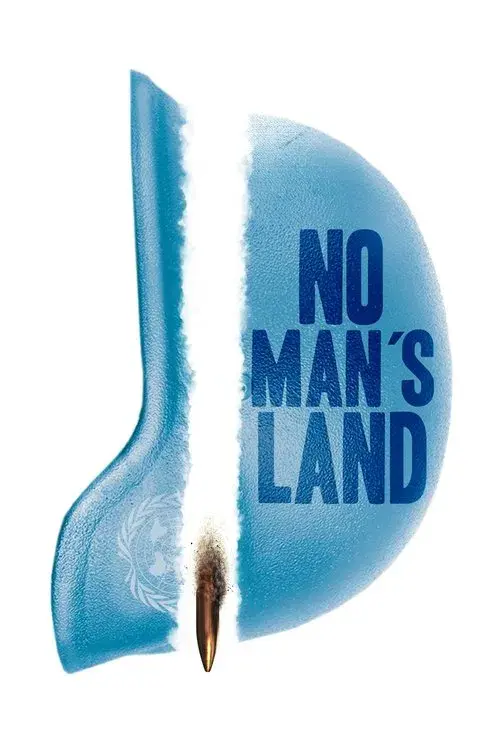
Neutrality does not exist in the face of murder. Doing nothing to stop it is, in fact, choosing. It is not being neutral.
Tagline
A lot can happen between the lines
Overview
Two soldiers from opposite sides get stuck between the front lines in the same trench. The UN is asked to free them and both sides agree on a ceasefire, but will they stick to it?
Release Date
May 12, 2001
Revenue
$4,858,869
Runtime
98 min
Genres
Action
History
War
Production Companies
Noé Productions
Fabrica Cinema
Man's Films
Counihan Villiers Productions
Studio Maj
Casablanca Film Production (SI)
British Screen
TPS Cinéma
Multivision
RAI Cinema
Fondazione Monte Cinema Verità
Production Countries
France
Italy
Belgium
United Kingdom
Slovenia
Switzerland
Bosnia and Herzegovina
Trailer
Film 2
No Man's Land
Danis Tanović — 2001


Details
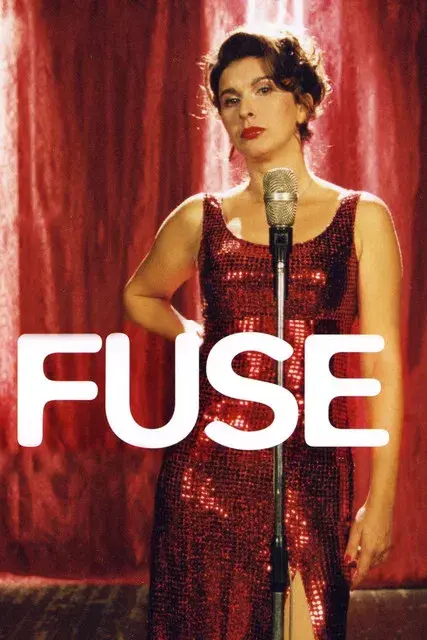
Adnan, my son, they think I'm insane. And what do you think?
Overview
Two years after the Bosnian civil war, a town that is slowly rebuilding itself must whip together a democracy when it's announced the U.S. President Bill Clinton might be paying a visit.
Release Date
Aug 15, 2003
Revenue
$0
Runtime
105 min
Genres
Comedy
Drama
Production Companies
RTVFBiH
Refresh Production
Novotny & Novotny Filmproduktion
Ciné-Sud Promotion
İstanbul Film Production
Production Countries
Bosnia and Herzegovina
France
Austria
Turkey
Trailer
Bonus Film
Fuse
Pjer Žalica — 2003
